
In the modern era of e-commerce, postal services, and product delivery, choosing the right packaging material is essential to ensure that items arrive safely and in perfect condition. Among various packaging solutions, the padded envelope has become one of the most popular options for businesses and individuals who need lightweight, protective, and cost-effective mailing options. This article explores the definition, types, features, and advantages of padded envelopes, along with their ideal applications and usage tips.
What Is a Padded Envelope?
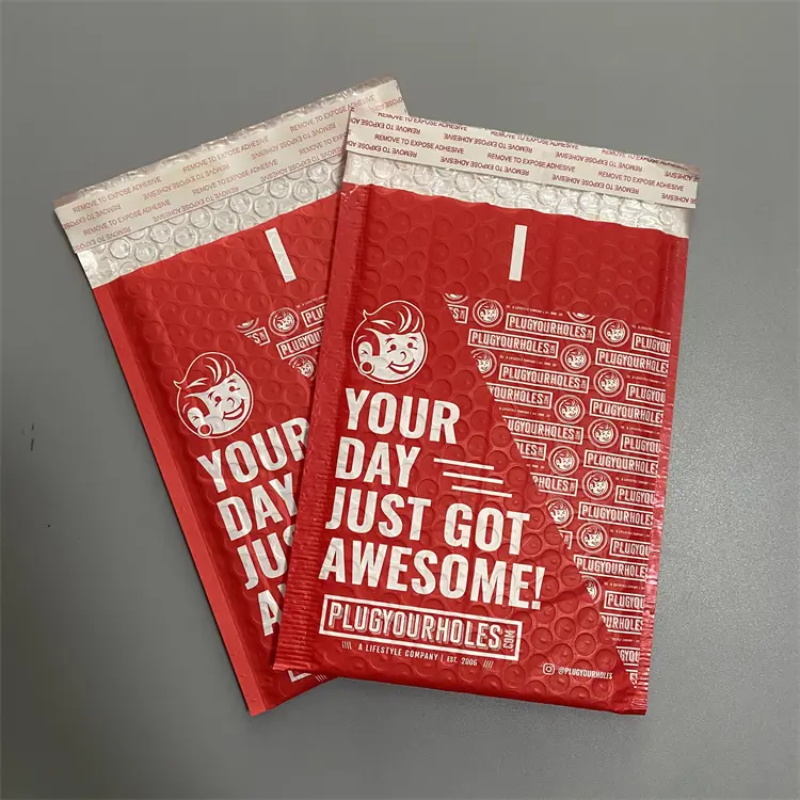
A padded envelope is a mailing envelope that features an inner layer of cushioning material, such as bubble wrap, foam, or paper padding. This design helps protect delicate or valuable items during shipping and handling. The outer layer is typically made of durable kraft paper, polyethylene, or composite materials that provide strength and tear resistance.
These envelopes are commonly used for mailing electronics, jewelry, documents, books, cosmetics, and other small items that need extra protection from impacts, moisture, and dust.
Types of Padded Envelopes
-
Bubble Padded Envelope:
This is the most common type, featuring an internal layer of air bubble film that absorbs shocks and prevents scratches. -
Foam Padded Envelope:
Lined with a soft foam interior, these envelopes are ideal for fragile or precision items, such as optical lenses and electronics. -
Paper Padded Envelope:
Made entirely of recyclable paper, this eco-friendly option offers both protection and sustainability, making it perfect for green packaging. -
Poly Mailer with Padding:
These lightweight, waterproof padded envelopes are made of polyethylene material, providing resistance against water and tearing during long-distance shipping.
Key Features of Padded Envelopes
-
Shock Absorption: The internal padding minimizes vibration and impact damage during transit.
-
Lightweight Construction: Despite their durability, padded envelopes are much lighter than boxes, reducing shipping costs.
-
Water Resistance: Some padded envelopes include waterproof outer layers that protect contents from rain or spills.
-
Self-Sealing Closure: Many designs feature peel-and-seal adhesive strips for quick and secure sealing without extra tape.
-
Customizable Design: Available in different sizes, colors, and printing options for branding and professional presentation.
Advantages of Using Padded Envelopes
-
Protection for Delicate Items:
The cushioning inside the envelope absorbs shocks and vibrations, keeping fragile items safe. -
Cost-Effective Shipping:
Compared to boxes, padded envelopes reduce postage and handling costs due to their lightweight nature. -
Convenient and Easy to Use:
Their self-sealing flap makes packaging fast and efficient, saving time for e-commerce sellers and logistics companies. -
Space-Saving Design:
Flat and compact, padded envelopes require less storage space than boxes, which is beneficial for bulk shipping operations. -
Environmentally Friendly Options:
Paper padded envelopes and recycled bubble mailers contribute to eco-conscious business practices.
Applications of Padded Envelopes
E-commerce Packaging:
Online retailers use padded envelopes to safely deliver clothing accessories, phone cases, and beauty products.
Postal and Office Use:
Ideal for sending important documents, CDs, USB drives, and small office supplies.
Electronics Shipping:
Protects components like circuit boards, chargers, and small gadgets from static and mechanical damage.
Gift Packaging:
Stylish padded envelopes can also serve as creative gift wrappers for jewelry, watches, or custom accessories.
How to Choose the Right Padded Envelope
-
Size: Ensure the envelope comfortably fits the item without too much empty space.
-
Padding Type: Choose between bubble, foam, or paper padding based on the fragility of your product.
-
Material: Select paper envelopes for sustainability, or poly padded mailers for waterproof protection.
-
Closure Type: Self-seal flaps are ideal for efficiency, while resealable versions suit reusable packaging.
Maintenance and Usage Tips
-
Store padded envelopes in a dry area to prevent adhesive degradation.
-
Avoid overstuffing to maintain seal integrity and cushioning performance.
-
Label clearly for smooth postal processing.
-
Reuse or recycle envelopes where possible to support sustainability.
FAQ About Padded Envelopes
Q1: Can padded envelopes be recycled?
A: Yes, paper-padded envelopes are fully recyclable. However, bubble mailers with plastic linings may require special recycling facilities.
Q2: Are padded envelopes waterproof?
A: Poly mailer versions are water-resistant, while paper envelopes can be treated with waterproof coatings for extra protection.
Q3: What sizes are available?
A: Padded envelopes come in standard postal sizes (A5, A4, A3) and custom dimensions for different items.
Q4: Can I print my logo on padded envelopes?
A: Absolutely. Many suppliers offer customizable padded envelopes with brand printing for e-commerce businesses.
Q5: Are padded envelopes suitable for international shipping?
A: Yes, they are durable enough for global transport, provided you choose high-quality, well-sealed options.
Conclusion
The padded envelope is a smart and versatile packaging choice for anyone seeking reliable product protection with minimal cost and environmental impact. Whether you run an online business or need secure mailing solutions, padded envelopes combine practicality, sustainability, and professional presentation. With various material options and customization possibilities, they have become an indispensable part of modern packaging and logistics.